0%
History Project Made By Jaap
History Project

Relentless
Resistance

A history project showcasing the types of resistance enslaved people used to fight back against slavery.

Thesis

001
Why Resist?

Resistance required physical power, secret actions, and the preservation of culture. Around the 1850’s, enslaved people used these methods to resist and escape slavery because of how badly they were treated. They created the Underground Railroad, which was a network of safe routes used to escape slavery without getting caught.
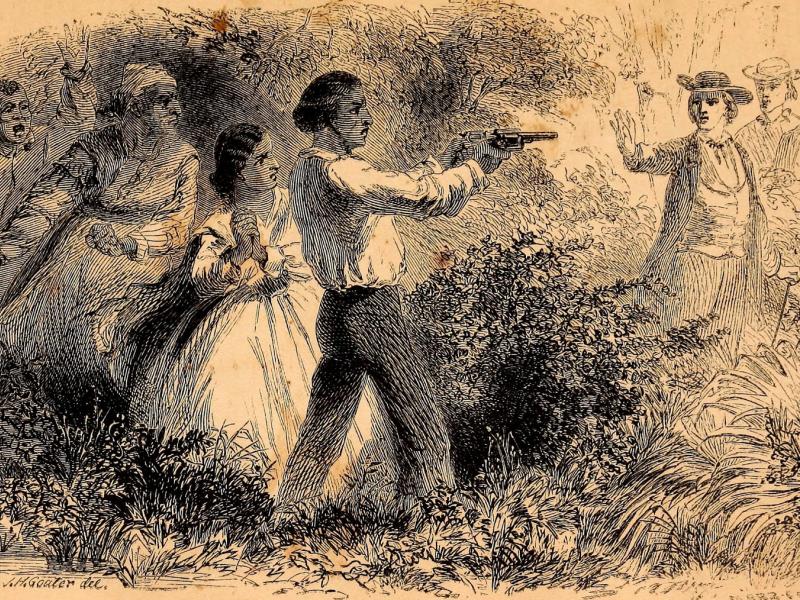
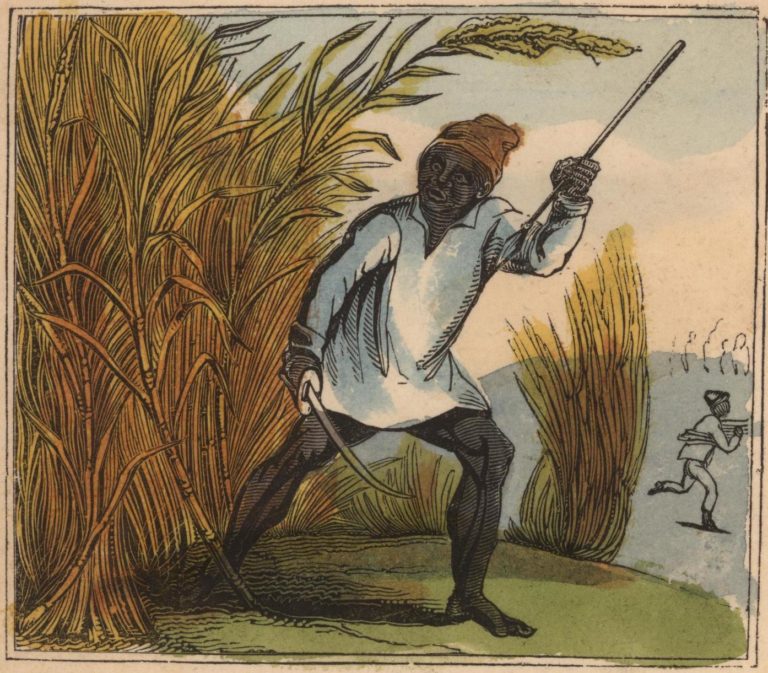
An enslaved person fights back
An enslaved person fights back with a gun. This is an example of overt resistance.
Section 01

Overt Resistance

During slavery, overt resistance was required to regain freedom and humanity. Overt resistance was used out in the open; other people could clearly see what was happening. This included actions like injuring slaveholders, escaping the plantations, or violating other rules.

Organized Revolt

ACT I
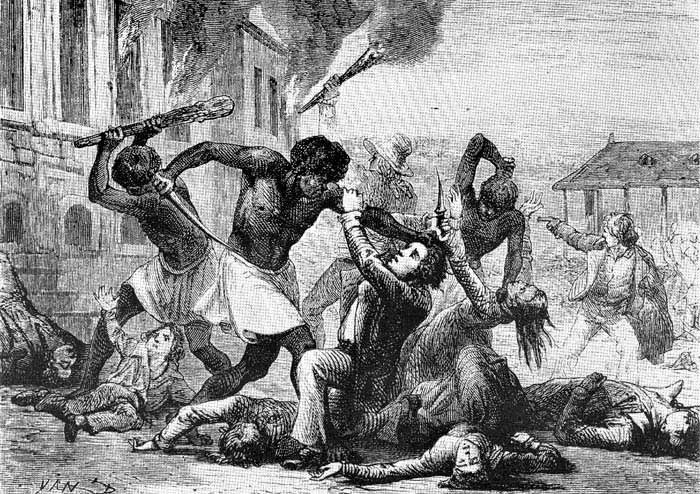
Nat Turner's Rebellion

Nat Turner grew up knowing how to read and write, and was a very religious person. He taught other enslaved people about freedom and the Bible he had owned. Nat Turner believed he saw signs from God, like a solar eclipse, telling him it was time to fight back. He ended up leading Nat Turner's Rebellion, where he and other enslaved people killed almost 60 white people. After the rebellion, he hid for two months before being caught. This rebellion proved that enslaved people would never stop fighting for their freedom.
Nat Turner's Rebellion
Nat Turner leading his revolt. This was a major act of overt resistance.

Self-Emancipation

Escaping

Slaves used “Self-Emancipation” which was the process of enslaved people freeing themselves rather than waiting for approval. This often was performed by running away in large groups, so that people could not be caught. Thousands of enslaved people were able to escape to the north because they had help. They used a secret network called the Underground Railroad. They traveled at night to avoid getting caught. Many people walked hundreds of miles just to reach freedom. Many people died along the way due to hunger and violence. People who did make it out found jobs and built homes.
Section 02

Covert Resistance

Sometimes, resistance was meant to be kept secret. Enslaved people used covert resistance to do many actions, like sneaking out of work, and annoying the slave owners. For example, 1,000 slaves ran away to the north, Canada, and Mexico every year in the 1850’s. This was a big risk because dogs were sent to find fugitives. They brutally bit the fugitives, and they sometimes got aggressive enough to kill the runaway slaves. Running away had big risks, but also had big rewards. Enslaved people who escaped found new jobs especially near rail depots or ports. There was also a big number of friendly white people who were willing to help.

Breaking for a purpose

TACTIC 01
Secret Actions

Many enslaved people lived on large farms. They did not always run away. Instead, they used secret ways to resist. Some slaves broke their tools on purpose. They made the tools stop working. Other slaves said they were sick. They stayed in bed to avoid the hard labor. These were everyday covert actions that hurt the plantation's profits without the risk of running away. The slaveowners lost money every day because of this.
Agricultural sabotage
Enslaved people ruined crops on purpose to annoy slaveholders.

Literacy Learning

TACTIC 02
Literacy

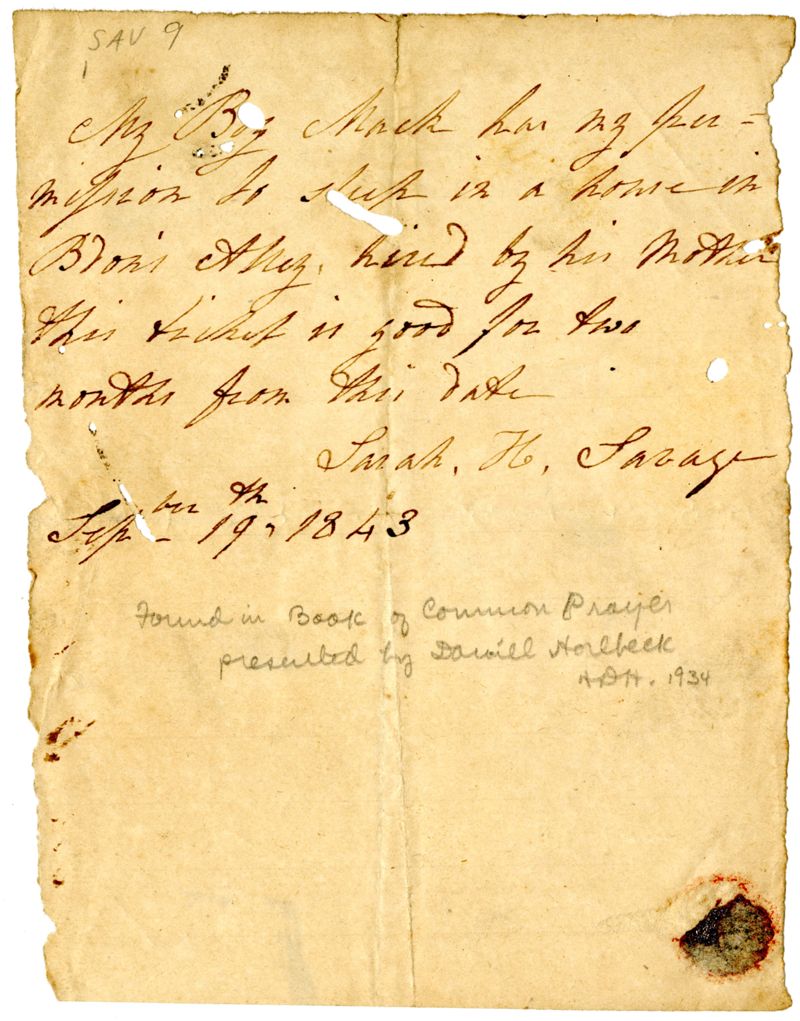
For an enslaved person, learning to read was very rare. Since it was illegal for enslaved people to be educated, they had to learn secretly. They learned from other enslaved people, neighbors, or by tricking people into teaching them alphabet letters. Being able to read meant that they understood the latest news of the 1850s. They also learned how to forge "travel passes" that allowed them to safely travel to the north to escape slavery.
Forged travel passes
A slave pass like this let slaves travel outside their plantations.
Section 03

Maintaining Human Dignity

Enslaved people also used many cultural ways as a form of resistance.They used art, faith, and family to show they were more than just property. For example, they would sing songs with secret messages about escaping, a form of language the slaveowners did not know.

Family & Seperation

SOUL 01
Forming Families

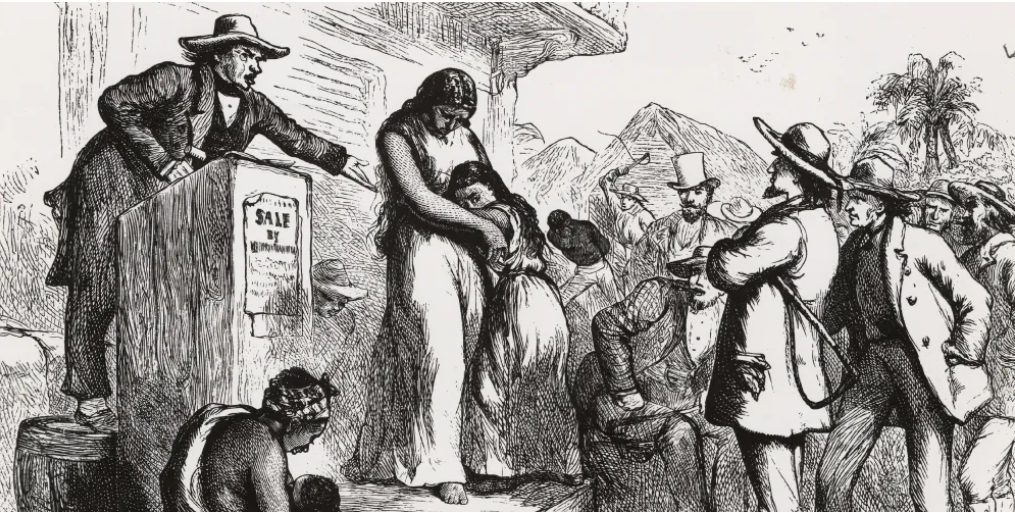
Slavery often tore families apart. Family members could never find each other again. Enslaved people called their elders “uncle” or “aunt.” They took care of children who were not their own. They treated neighbors like siblings. Enslaved people even created new families with the people around them. This showed their love for each other. They did not give that love to their master. Slave owners sold parents and children to different places. Families were separated by many miles. Even after this, enslaved people had love for each other.
Visualizing Family Separation
Enslaved families faced the constant threat of forced separation at auction.

Art, Folklore & Music

SOUL 02
Heritage

Enslaved people also preserved their heritage to resist. They kept traditions alive by telling stories and folktales. They passed down powerful stories that provided intelligence to the younger generation. Enslaved people also sang special songs in the fields. These songs often had special meanings, like escape routes or a plan to attack. They kept their African culture alive. Some songs and stories also had messages about how to outsmart the slaveowners, which was helpful information to everyone.
Cultural preservation
This ritual (the Ring Shout) was used for passing down stories and powerful meanings.
Jaap Thind

Jaap Thind

Designer + Writer

8th-grade student at Willard Middle School. Read raw text: Google Docs

SOURCES